ANY-maze Help > I/O devices supported by ANY-maze > Legacy I/O devices > The Parallel Rod floor test > An introduction to the Parallel Rod floor test
An introduction to the Parallel Rod floor test

Introduction
The Parallel Rod floor test is designed for assessing the effects of drugs, brain damage and disease on motor coordination and fatigue and is ideal for use with knockout and transgenic mice.
Adapted from the apparatus first described and developed by Drs. Kamens and Crabbe, the Parallel Rod cage is a new model of ataxia in mice. The test allows for the simultaneous measurement of ataxia and locomotor activity, adding variety to the battery of other tests currently available.
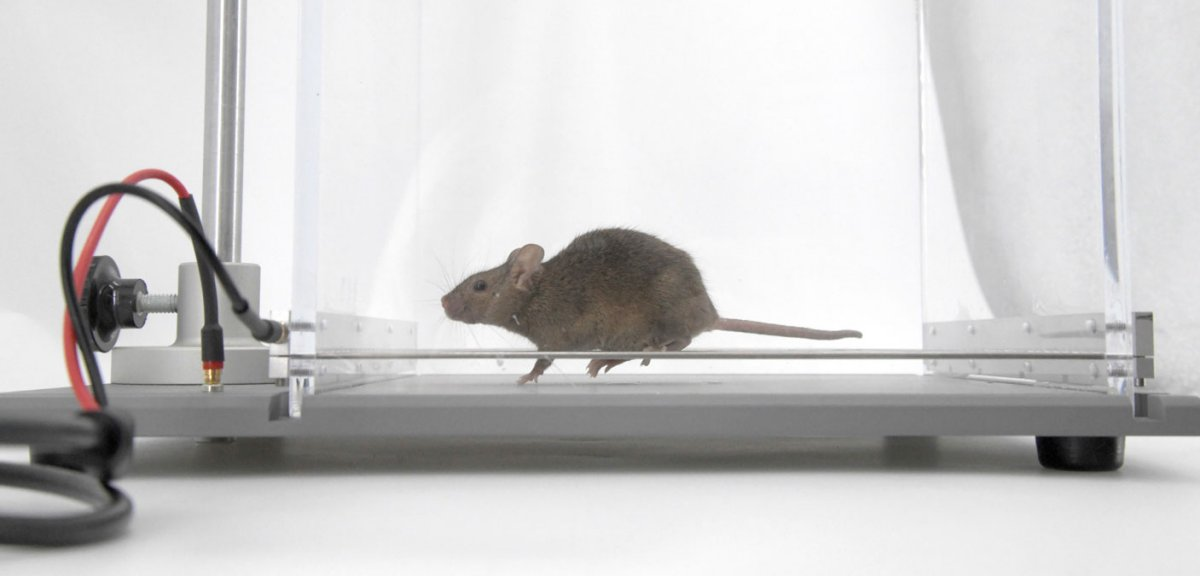
Figure 1. A paw slip in the parallel rod test
The cage itself is very simple - the cage floor consists of a grid of rods suspended over a metal floor plate. Paw slips cause a connection to be made between the grid and the floor itself, allowing ANY-maze to detect such slips as a 'touch' via the ANY-maze Touch switch interface that is used to connect to the computer running the ANY-maze software.
In conjunction with video tracking, the Parallel Rod floor test can take into account the general locomotor activity of the animal, thus expressing the ataxic response as the number of foot slips per unit of distance travelled. This allows for comparison across multiple strains of rodent, or across different treatments.

© Copyright 2003-2026 Stoelting Co. All rights reserved
ANY-maze help topic T1245