ANY-maze Help > The ANY-maze reference > The Tests page > The Experiment management reports > The Test heat map reports > Working with Heat maps
Working with Heat maps

Introduction
There are lots of ways to interact with heat maps, including editing what they show, resizing them, and copying and saving their contents.
 | You'll find a general introduction to heat maps here. |
| • | The heat map menu |
| • | Editing what the heat map shows |
| • | Resizing a heat map |
| • | Showing and hiding the legend |
| • | Applying transforms |
| • | Copying a heat map |
| • | Saving a heat map to a file |
| • | Printing a heat map |
The heat map menu
The heat map menu is accessed by clicking the  menu button in the heat map's title bar. The menu contains the following options:
 Change settings Change settings | Opens the heat map settings pop-up window, where you can edit the heat map |
 Show legend Show legend | Toggles display of the heat map legend on and off |
 Apply transforms Apply transforms | Toggles whether transforms are applied to the heat map |
 Copy plot Copy plot | Copies the heat map to the clipboard |
 Save plot as a picture Save plot as a picture | Saves a picture of the heat map to a file |
 Working with heat maps Working with heat maps | Opens this help topic |
Editing what the heat map shows
Heat maps are set up as part of the protocol and you can, of course, edit them in the protocol page at any time. However, a more interactive way of editing a heat map is to use the  Change settings option on the Heat map's menu. This opens the Heat map settings pop-up window next to the heat map itself - see figure 1.
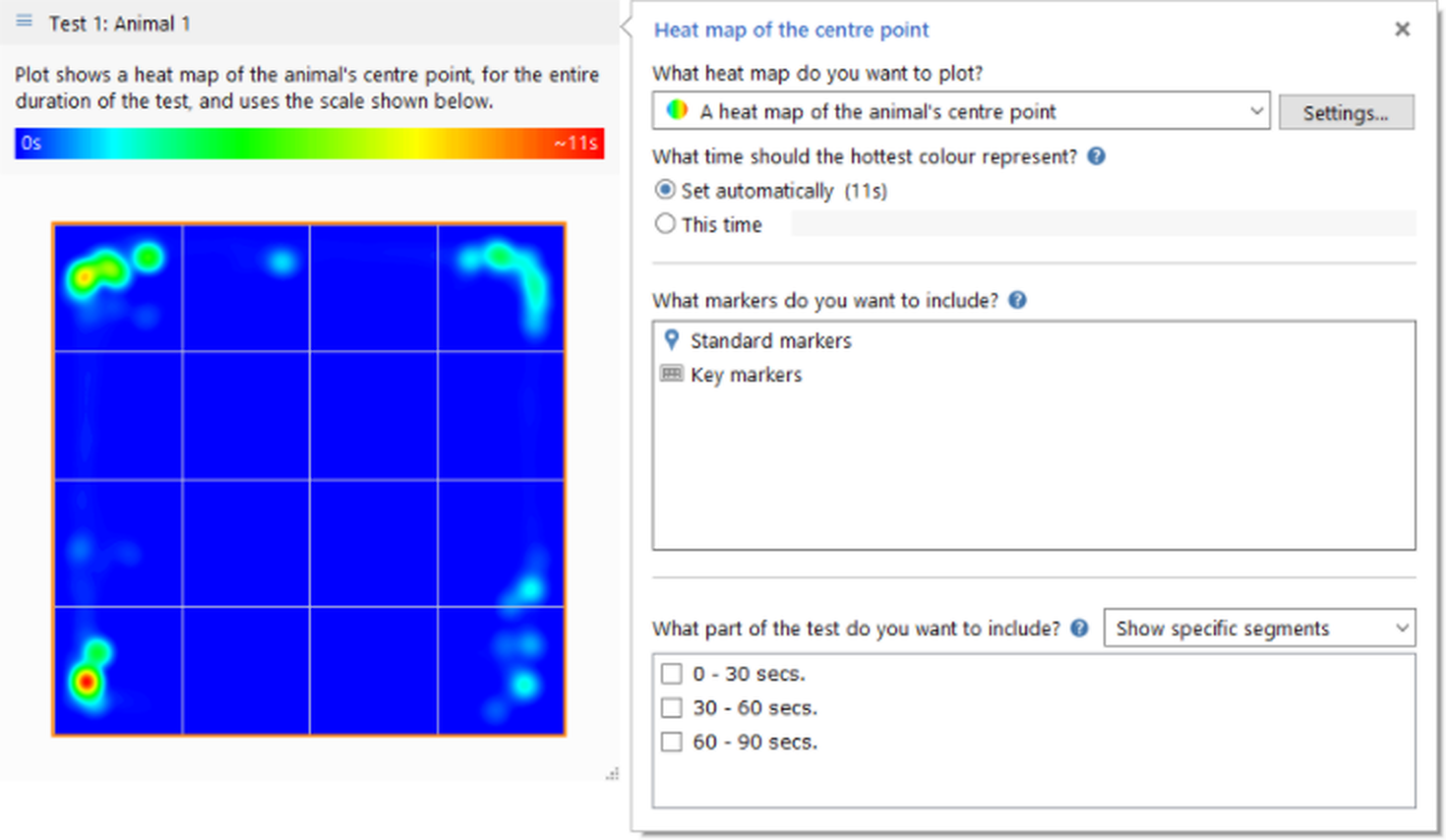
Figure 1. The Heat map settings pop-up window
A great feature of the Heat map settings pop-up window is that as you make changes in the window they are immediately reflected in the heat map, making it very easy to adjust the format and contents to exactly what you want.
The options available in the pop-up window mirror those available in the Heat map settings in the protocol:
| • | Changing what the heat map should show |
| • | Setting the time the hottest colour should represent |
| • | Selecting markers you would like shown on the heat map |
| • | Specifying the part(s) of the test to include |
Resizing a heat map
It's very easy to resize a heat map, just drag the resizer in the bottom-right corner of the heat map's background. Changes to the size persist, so if you close a heat map report and later reopen it, the map will still be the same size.
If you resize a heat map on the Results page all the heat maps in the report (of the same type) will also resize. Again the map's size will be retained, although the size of a heat map on the Results page, can be different to the size in the Test heat map report.
Showing and hiding the legend
You can show and hide the heat map legend simply by selecting the appropriate option from the Heat map menu. The legend shows the heat map's scale and also includes details of any markers shown in the map.
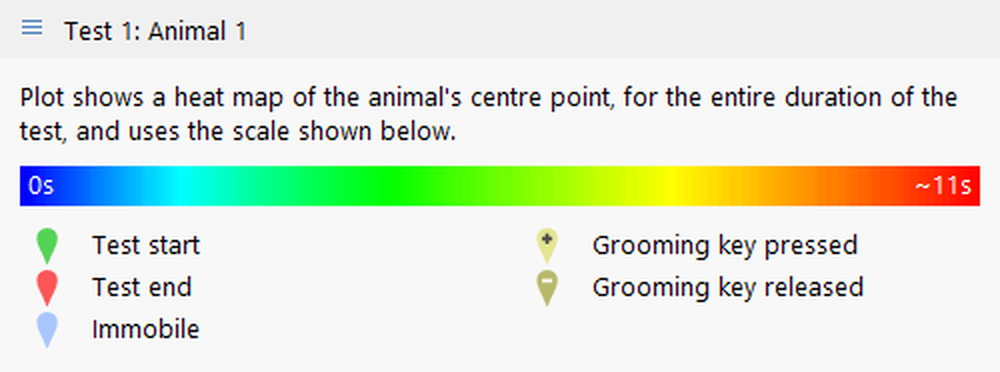
Figure 2. The legend includes the heat map scale.
Applying transforms
If you have defined any apparatus transforms or any moveable zone transforms, then the Heat map menu will include an option to Apply transforms, which can be used to toggle whether the transforms are actually applied to the map you are viewing. Note that you can only choose to have all transforms applied or none.
Copying a heat map
You can copy a heat map to the clipboard either by selecting the  Copy plot option from the Heat map menu, or by right clicking anywhere on the plot and selecting the Copy plot option from the menu that appears.
The entire heat map is copied, including the title bar and the legend, if shown.
Saving a heat map to a file
To save a heat map, either select the  Save plot as a picture option from the Heat map menu, or right click anywhere on the map and select the Save plot option from the menu that appears. A standard Save file window will open where you can choose the file and format to save in. More details, including a description of the various formats available, can be found here.
Note that the entire heat map is saved, including the title bar and the legend, if shown.
Printing a heat map
You can't print a heat map in isolation, but you can print the heat map together with the report it is part of - either a Test heat map report or a Results report. In either case you simply need to select the  Print button in the ribbon bar.

© Copyright 2003-2026 Stoelting Co. All rights reserved
ANY-maze help topic T0775